Ask any local business owner what they actually want, and the answer is never "more impressions."
It is: more people walking in.
Not likes. Not followers. Not a boost in reach that shows up as a number on a dashboard and nothing else. Footfall, the thing that opens the till, fills the seats, moves the stock. Every other metric is a proxy. Footfall is the outcome.
Most tools built for local businesses were never built around that outcome. Glymp was.
What You're Actually Getting From Everything Else
Look closely at what each channel you already use actually delivers, and the gap becomes obvious.
None of these were built backwards from footfall. They were built around attention, and attention is not the same thing as someone standing in your store.
The Glymp Ecosystem, Built Backwards From Footfall
Every part of Glymp exists to solve one problem: turning "this business exists nearby" into "someone actually walked in." Not as an afterthought. As the design.
Real posts from real customers, permanently attached to your location, not buried in a feed after 24 hours. A customer who Spots your store becomes a source of trust for everyone who sees it after.
Gives customers a reason to act now instead of "maybe later." A review, a check-in, a Spot, all of it earns coins redeemable at real local shops, including yours. It rewards the behaviour that leads to a visit.
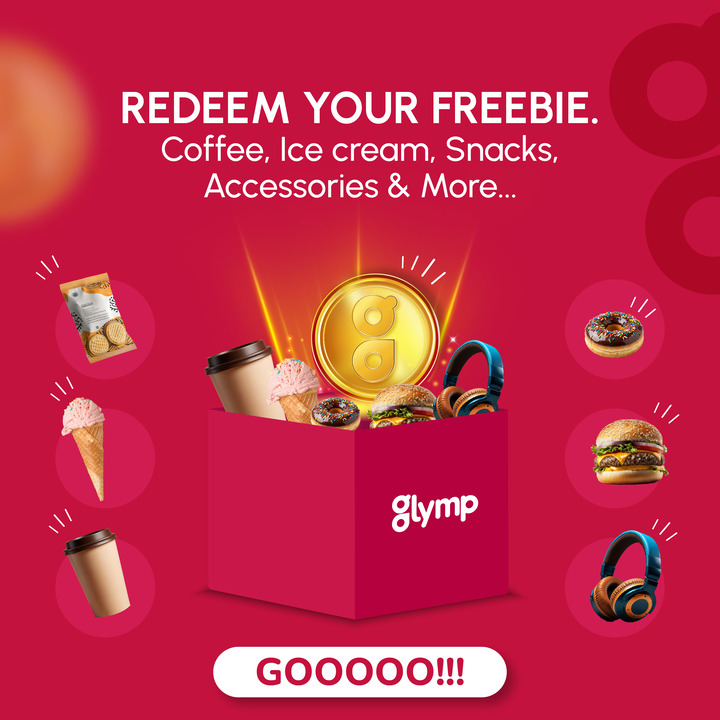
Your offer does not sit in a list waiting to be found. It becomes a coin on a live map, sitting at your actual location. To redeem it, a customer has to walk there. Not click. Walk.
Hosting a launch, a workshop or a festive sale? It can show up in Events for people nearby, with an offer for Glymp bookings, so they plan to come in.
This is the part worth sitting with: GlympGo does not let someone claim a reward from their couch. The redemption only happens in person, at your door. That is not a feature detail. That is the entire mechanism.
Why This Matters More Than Reach
An ad can get ten thousand impressions and zero walk-ins. It happens constantly, money spent, numbers that look good in a report, and an empty store on a Tuesday afternoon.
Glymp's loop does not pay out on impressions. It pays out on presence.
- A Spot only helps you when someone reads it and decides to visit.
- A Coin only gets redeemed when a customer is standing in front of your store.
- A GlympGo pin only converts when someone has physically walked to where you are.
Every mechanism in the ecosystem is built so that the only way it "counts" is if someone shows up. That is a fundamentally different design goal than platforms optimised for scroll time and ad revenue.
For Business Owners
Get your business on Glymp.
List your store and post what's new. Free to list.
What This Actually Looks Like for a Neighbourhood Business
You do not need a marketing budget to participate. You need to exist, and to let your neighbourhood see that you exist.
- List your store and post what's new, new stock, a seasonal offer, what's actually in front of the counter today.
- Let customers who love you Spot you. Their post becomes permanent proof for the next hundred people who walk past.
- Hosting something? Get it into Events, so people nearby plan to come.
- Put a small, real offer on the GlympGo map. Let the walk-in happen because someone chased a coin that led them straight to you.
None of this requires a national ad budget or a discount deep enough to hurt your margins. It requires being visible in the place where your actual customers already are: their own neighbourhood, looking for something worth stepping out for.
The Only Number That Matters
You did not open your store to get impressions. You opened it because you believed people nearby would want what you have, if only they knew.
Every part of the Glymp ecosystem is built around closing that one gap, not attention, not reach, but the walk from wherever someone is to your front door.
Reach tells you someone saw you.
Footfall tells you it worked.